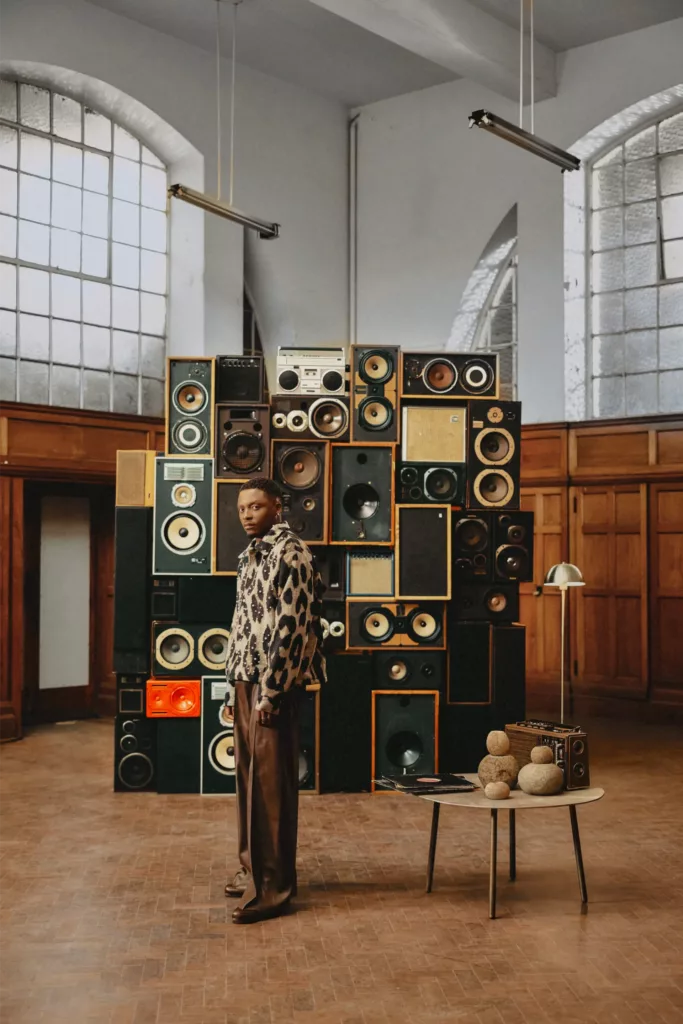
Every year, Hennessy continues to step into the culture with one of hip-hop’s most anticipated continental showcases: the Hennessy Cypher. It’s a moment where MCs from different corners of the world get to put their pens, flows, accents and identities on one track — no gimmicks, just bars.
And that’s exactly what makes the Cypher such an important platform. Hip-hop has always been about competition, representation and proving yourself on the mic. So, when a brand creates a space that brings together rappers from different countries and different hip-hop cultures, the expectations are naturally high. We want to hear something we haven’t heard before. We want to discover new MCs. We want to see established rappers push themselves. Most importantly, we want the Cypher to feel like a reflection of where African hip-hop is right now.
This year’s line-up brings together Tenor representing Cameroon, Suspect 95 from Côte d’Ivoire, Fena Gitu from Kenya, Enny from the United Kingdom, Yanga Chief from South Africa, Kwesi Arthur from Ghana, and Nigerian producer Sarz. Different countries, different sounds, different approaches to rap — and that diversity is what gives the Cypher its flavour.
But as always, there are certain performances that immediately make you sit up and pay attention. For me, the biggest surprise this year was Tenor. I’ll be honest — this was my first real interaction with his raps, and the Cameroonian MC left an impression. There’s something about the way he moves between English and French that makes his verse feel effortless. He isn’t trying too hard to prove that he can rap; he simply gets in there and flows. And that’s what stood out. Tenor sounds comfortable in his own world. He represents Cameroon with pride while still making his verse accessible to listeners outside his home country. There is energy, confidence and personality in his delivery, and he brings the kind of presence that makes you want to go back and listen to his catalogue.
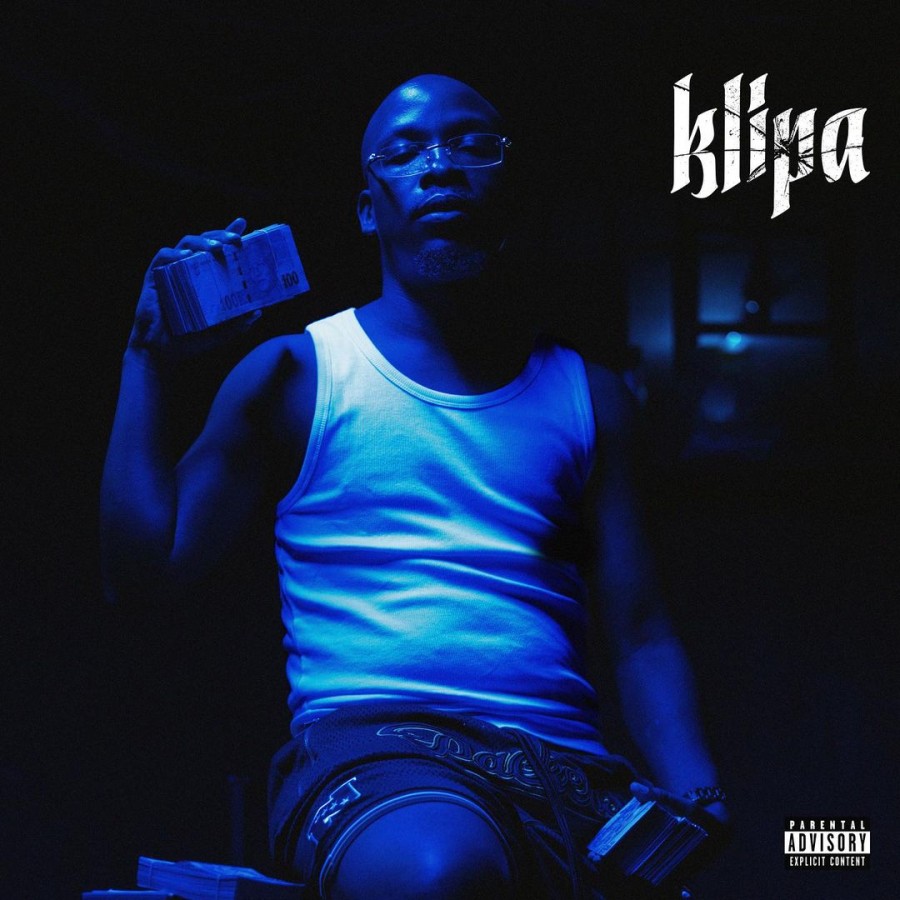
If this Cypher is supposed to introduce African audiences to MCs, they might not have discovered before, Tenor did exactly that for me. He owned this, Cypher. Then there’s our guy Yanga Chief. We already know Yanga can rap, but what I enjoyed about his contribution was how naturally he brought a distinctly South African flavour into the Cypher. There’s a bit of that Kwaito DNA running through his delivery, while keeping the bars sharp.
It didn’t feel like he was trying to sound like anybody else on the record. He sounded like Yanga. And sometimes that’s all you need.
There’s something powerful about hearing South African rap represented without stripping away the local identity to make it more ‘international’. Yanga keeps things close to home, plays with the language and rides the beat with that smoothness we’ve come to associate with his style. Another important part of this year’s Cypher is the presence of Fena Gitu and ENNY. For years, we’ve had conversations about the lack of female representation in hip-hop spaces — particularly when it comes to major Cyphers, showcases, and platforms that claim to represent the culture. So, seeing women MCs take their place in this line-up matters.
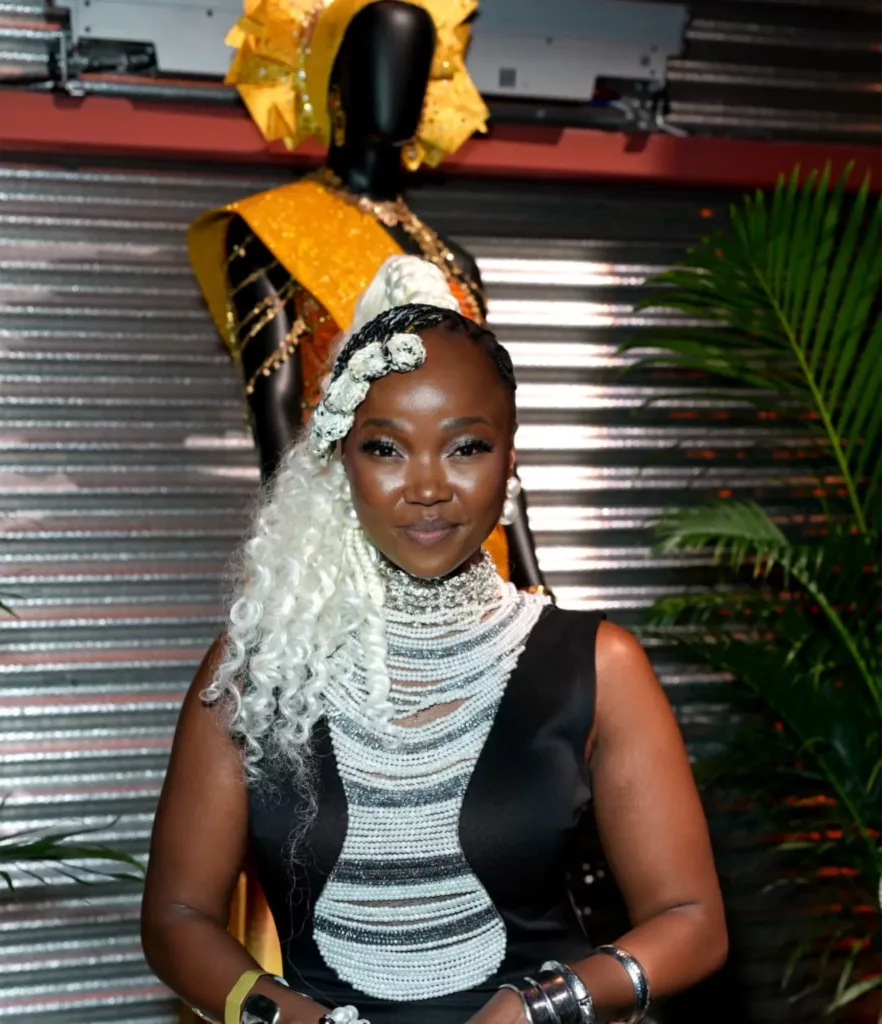
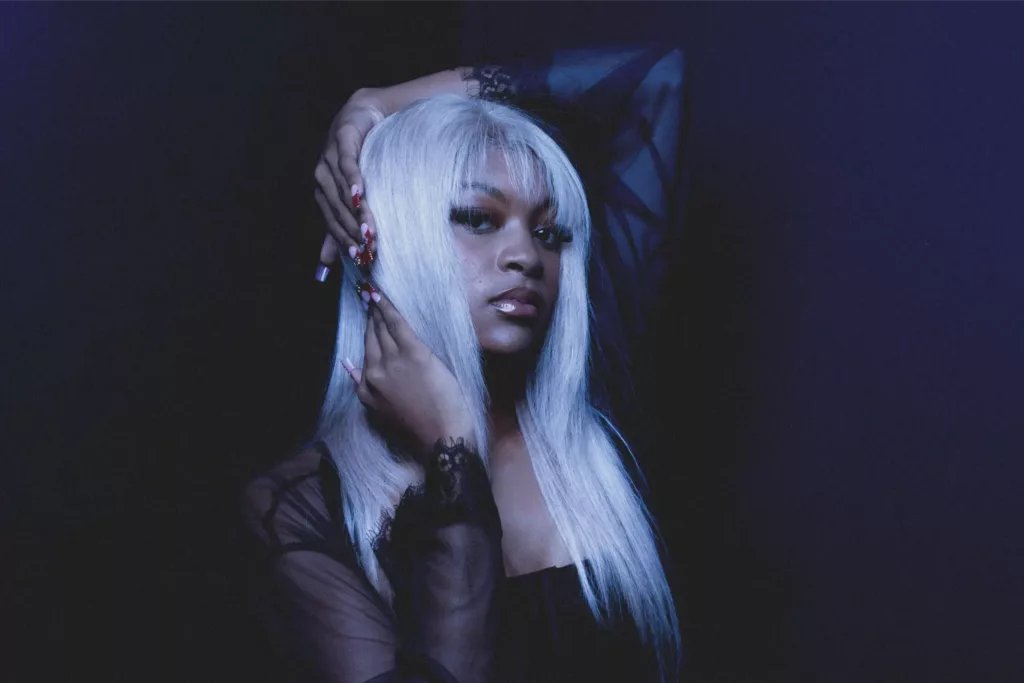
But representation alone isn’t enough. You have to show up and rap. And Fena Gitu came ready. Her verse is another reminder that female MCs don’t need a separate category or a special lane. They can stand shoulder-to-shoulder with anybody and deliver. The more women we see occupying these Cypher spaces, the easier it becomes for the next generation to imagine themselves there too.
And now, naturally, the question has to be asked: when are we getting a South African female MC on this Cypher? South Africa has no shortage of women who can rap. There are too many talented MCs in the country for that seat to remain empty forever. Hopefully, Fena and ENNY’s presence continues to open that door wider, because we need to see more of them on platforms of this scale.
Kwesi Arthur is probably one of the least surprising names on this list because Ghanaian hip-hop fans already know what he brings to the table. He’s been putting Ghanaian rap on the map for years, and his ability to move between melodic sensibilities and straight-up bars has made him one of the more recognisable voices from the country’s new generation.
His appearance here feels natural. He represents Ghana without needing a long introduction, and for African hip-hop lovers who have been following the culture across borders, Kwesi Arthur is already a familiar face. That said, familiarity also comes with higher expectations. When you’ve been in the game and have built a reputation for delivering, people expect you to come with something that reminds them why you earned that reputation in the first place.
Was this one of the greatest cyphers? Now, here’s where we get honest. Is this cypher great? I wouldn’t say it’s the best Hennessy Cypher we’ve seen. But is it bad? Absolutely not. There are moments, there are bars and there are different cultural textures coming together, and there are MCs — especially Tenor — who might have listeners searching their names immediately after hearing them. But because Hennessy has built such a strong legacy around these cyphers, the standard is naturally higher now. We’ve seen some incredible combinations over the years, so every new edition is inevitably going to be compared with what came before.
And perhaps that’s the biggest challenge facing the cypher: growth. As the platform continues to evolve, the line-ups must evolve with it. We need more unexpected combinations, more emerging MCs, more women, more countries, more languages, and more risks. The inclusion of Ivory Coast for the first time, is a strong example of that evolution, demonstrating the cypher’s growing commitment to representing a broader range of African voices and cultures. And by risk, I’m not saying adding Amapiano or Afrobeats to what we call hip-hop.
We need rappers who will make us argue about who had the best verse five minutes after the cypher drops. Because that’s what hip-hop does. A cypher shouldn’t simply make us nod our heads. It should start conversations. The beauty of African hip-hop is that there is no single sound. You can move from Johannesburg to Accra, Abidjan to Yaoundé, Nairobi to London and hear completely different interpretations of the same culture. That is the opportunity Hennessy has with this platform. The cypher can become more than a yearly collection of rappers rapping over a beat. It can become a genuine snapshot of where African hip-hop is heading — who is shaping it, who is challenging it and who deserves to be heard next.
This year gives us a solid offering, but there’s still work to do. For me, Tenor came through and stole the show, Yanga Chief kept it proudly South African, Fena Gitu and ENNY continued the push for stronger female representation, while Kwesi Arthur once again reminded us why Ghana remains such an important part of the African hip-hop conversation.
So, as someone who is on the ground, there’s potential. And if Hennessy really wants to keep giving back to the culture, the next step is simple: push the boundaries, dig deeper into the continent and give us MCs we didn’t even know we needed to hear together.
Because when the bars are right, we’re always going to press play.









![CTT Beats, Flash Ikumkani, Hannah V – UNDITHWELE [ Official Video]](https://dalakreative.com/wp-content/uploads/2024/04/126e2320-6774-67b8-c0d0-6e9f02af4d58.jpg)