Every era in South African hip-hop has its own sound, style, and face. The early 2000s had kwaito-influenced rap. The 2010s brought us the age of commercial dominance with artists like AKA, Cassper, and Nasty C. But when the dust settled and the game started to feel predictable, a new generation rose from SoundCloud and bedroom studios — raw, emotional, and fully independent. That’s where The Big Hash, J Molley, and PatricKxxLee stepped in.
They weren’t chasing radio. They weren’t waiting for label co-signs. They were building a new lane — one that spoke directly to Gen Z’s internet-born, genre-blending energy.
The Big Hash
When The Big Hash first dropped, his youth was his secret weapon. As a teenager, he was already penning introspective verses that sounded years ahead of his age. One of his earliest tapes, The Big Hash Theory, captured the raw emotion of growing up in the social media era.
Hash became the face of the new school because he knew how to translate feeling into flow. He didn’t rap for validation; he rapped for clarity. And that honesty connected with young fans who finally heard themselves in the lyrics. Today, he continues to evolve, proving that lyrical depth and mainstream appeal don’t have to be opposites.
J Molley
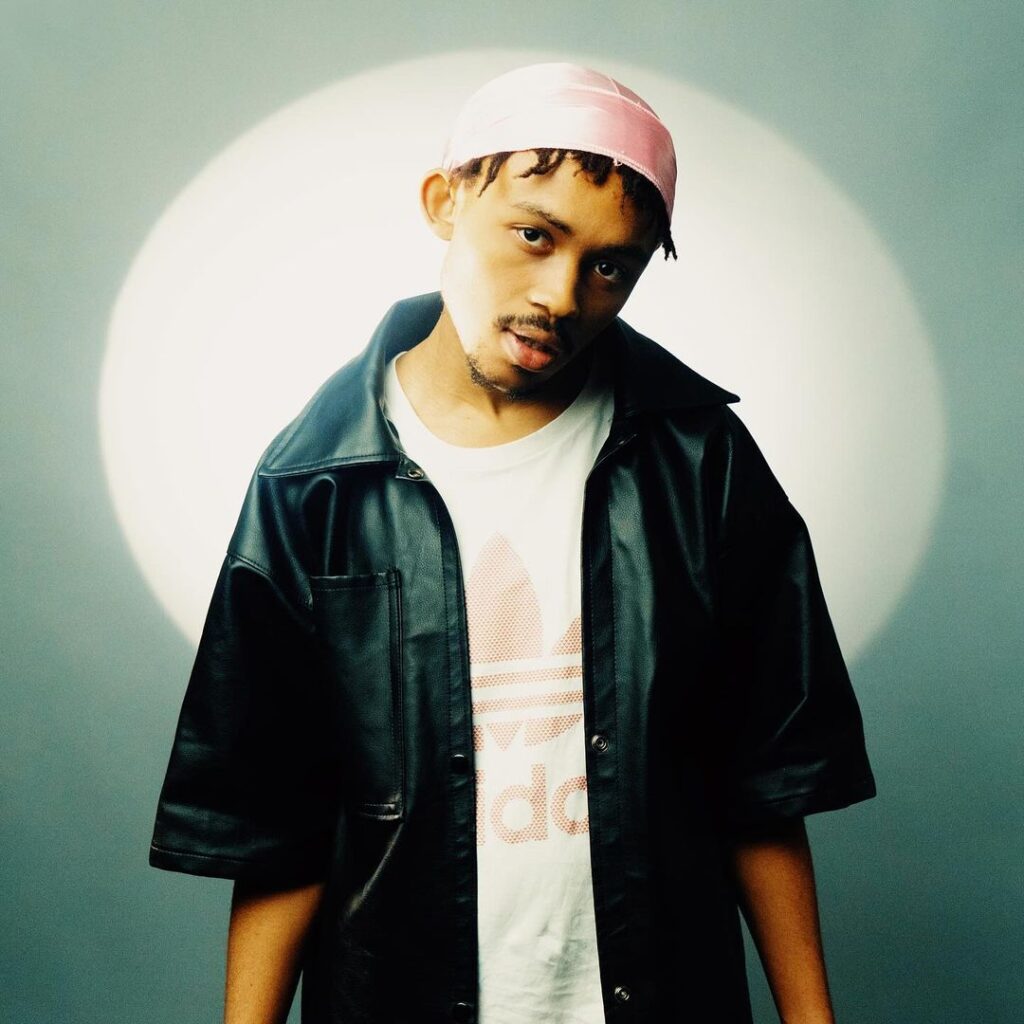
J Molley brought an aesthetic the game hadn’t seen before. He was fashion-forward, internet fluent, and emotionally transparent — a South African artist who understood the global “sad boy” wave before it was trendy here. His music blurred the line between rap, R&B, and alternative, and his visuals were as distinct as his sound: dreamy, cinematic, and self-aware.
J Molley’s was part of a digital-first generation that treated Instagram like MTV and SoundCloud like a mixtape series. He showed that a South African artist could create a fully formed world around their brand — no big label budget needed. His DIY energy opened the door for a new era of creators who saw independence not as a struggle, but as freedom.
PatricKxxLee
If J Molley was the rockstar, PatricKxxLee was the antihero. His music dove into pain, self-doubt, and mental health with the rawness of a diary entry. He made vulnerability sound like rebellion, blending emotional honesty with haunting beats that felt like late-night thoughts turned into sound.
PatricKxxLee became a pioneer for a subculture of fans who didn’t just want to turn up — they wanted to feel something. His approach to music wasn’t about trends; it was about truth. And that truth made him one of the most distinctive voices in SA’s alternative hip-hop landscape.
The Sound of Gen-Z Hip-Hop
Together, The Big Hash, J Molley, and PatricKxxLee redefined what South African hip-hop could sound like. They weren’t obsessed with radio rotation or club hits — they were building experiences for streaming playlists and online communities. Their music lived in headphones, not nightclubs.
They represented a shift from bravado to vulnerability, from surface-level to self-aware. The “new wave” didn’t need approval from the gatekeepers — it had already found an audience online. And that changed everything. Their music set the scene for the new generation of underground artists who are creating their own new sound.



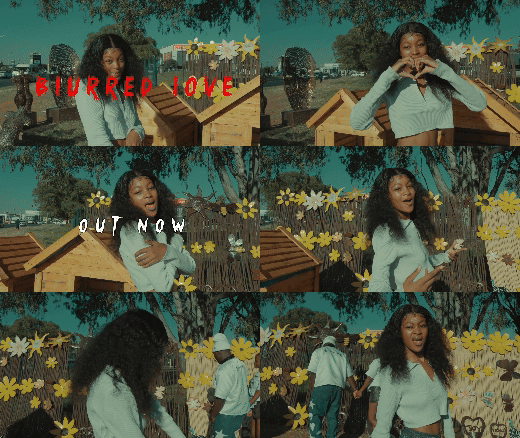


![CTT Beats, Flash Ikumkani, Hannah V – UNDITHWELE [ Official Video]](https://dalakreative.com/wp-content/uploads/2024/04/126e2320-6774-67b8-c0d0-6e9f02af4d58.jpg)